
Africa’s entrepreneurship and innovation ecosystem, built for scale.
Edfrica Solutions Limited turns African ambition into measurable enterprise, leadership, and innovation outcomes through media, technical delivery, STEAM education, physical infrastructure, and inclusive innovation. Together they equip young Africans to lead and build across all 15 ECOWAS and Alliance of Sahel States countries.
The Ecosystem
Our Five Focal Points
Each pillar is its own destination with its own team and roadmap. Step through to explore.
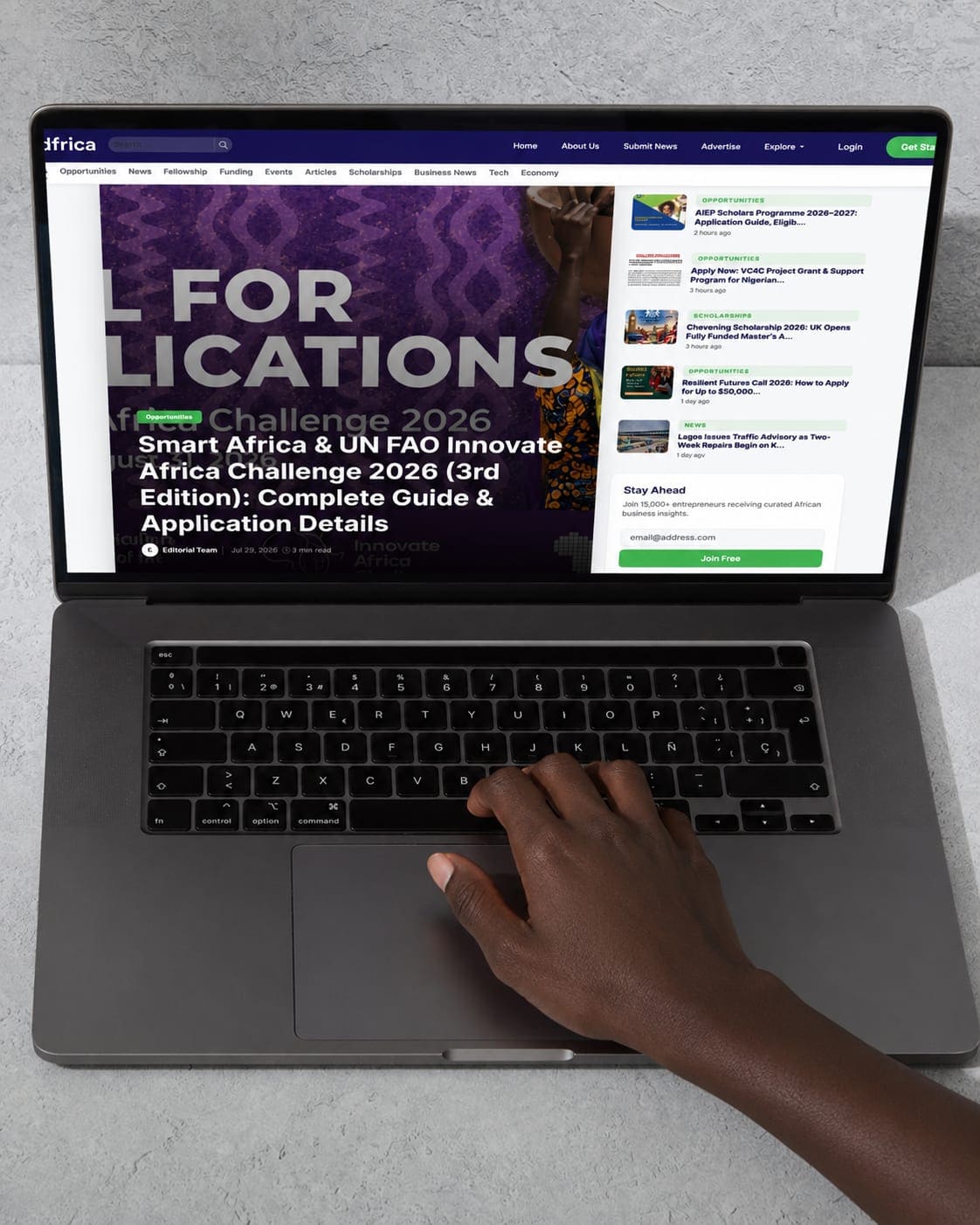
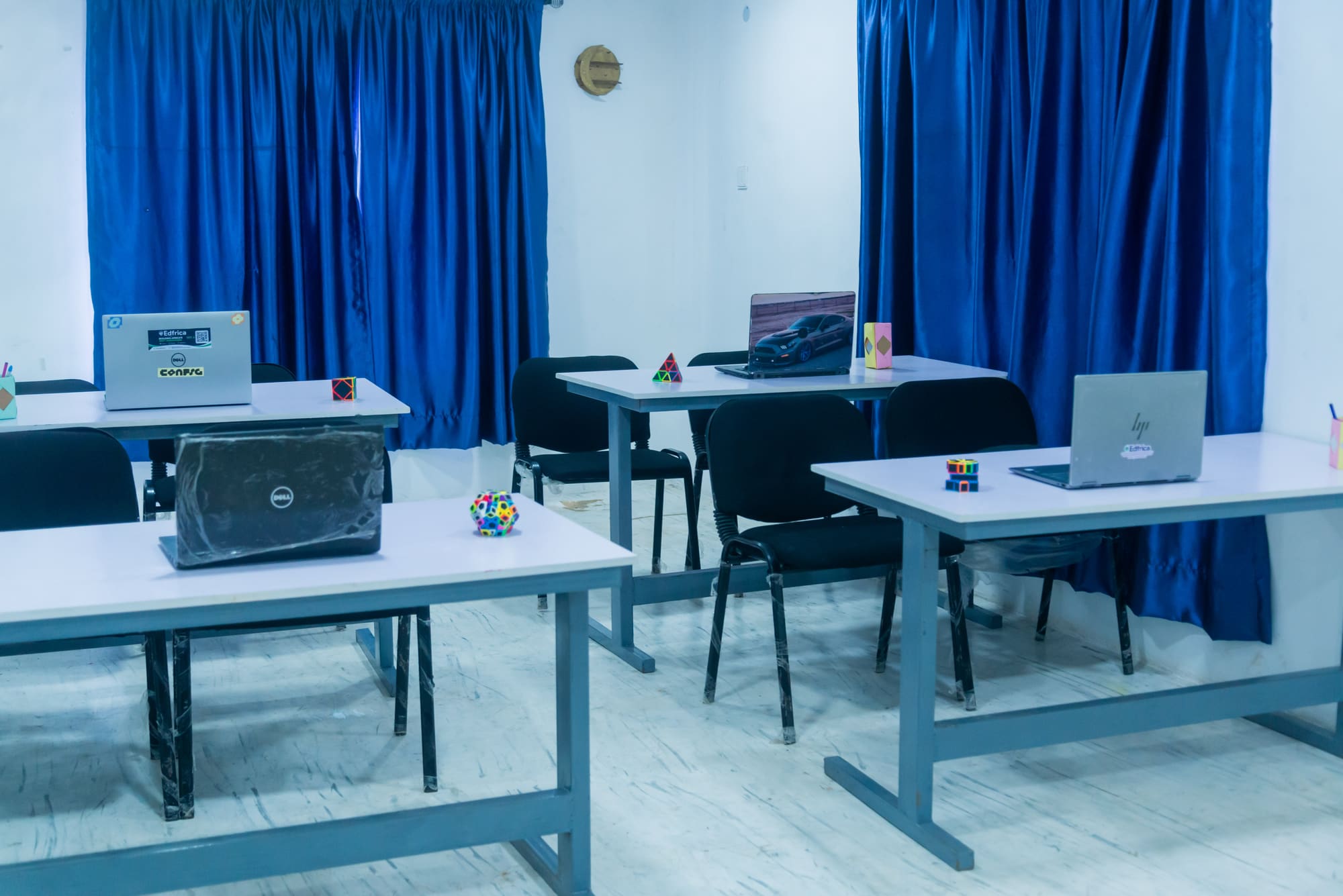
Who We Serve
Partnering for your growth
Connecting entrepreneurs and MSMEs with opportunities, grants, and loans.
Entrepreneurs & MSMEs
Capabilities
Our services
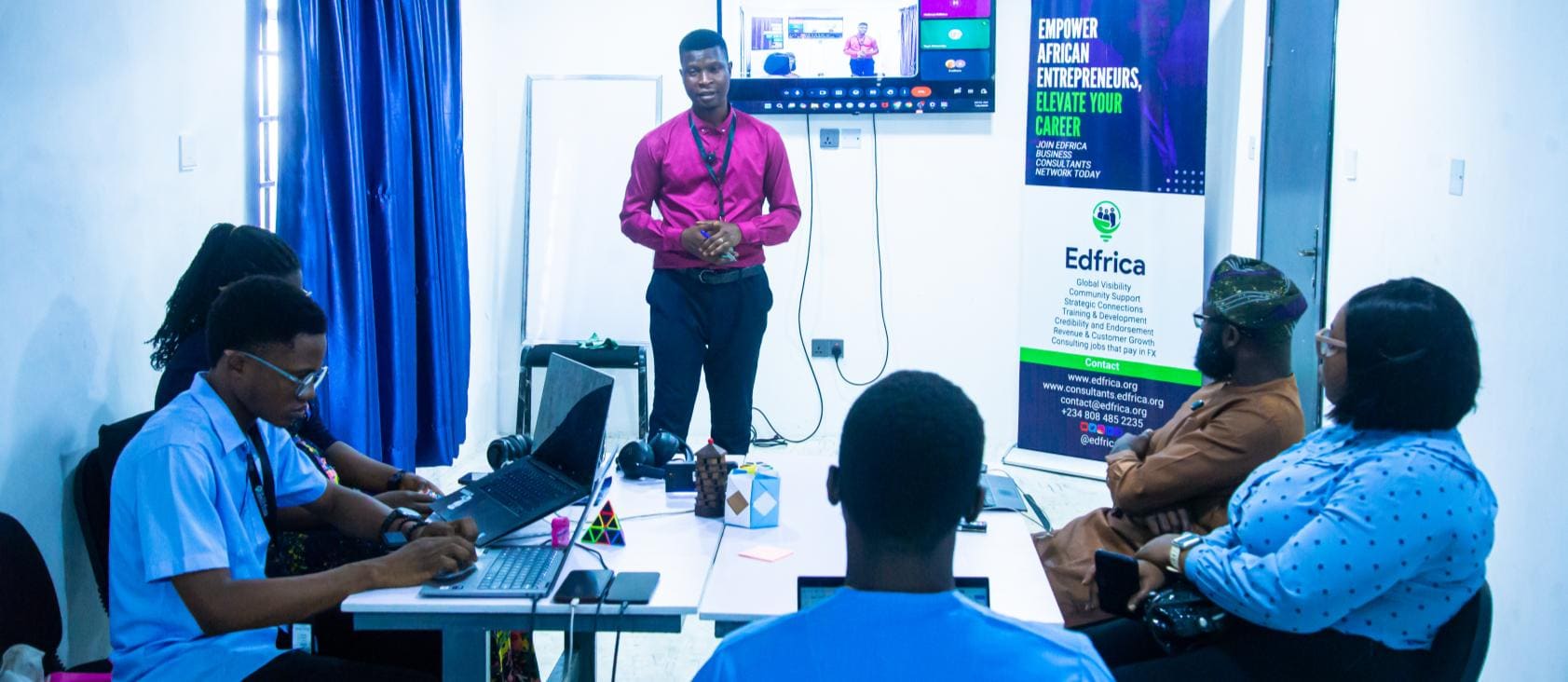
Entrepreneurship support (ESO) and innovation support (ISO) both run through the Edfrica Institute, from the first strategy session to investment readiness and cross-border market entry.
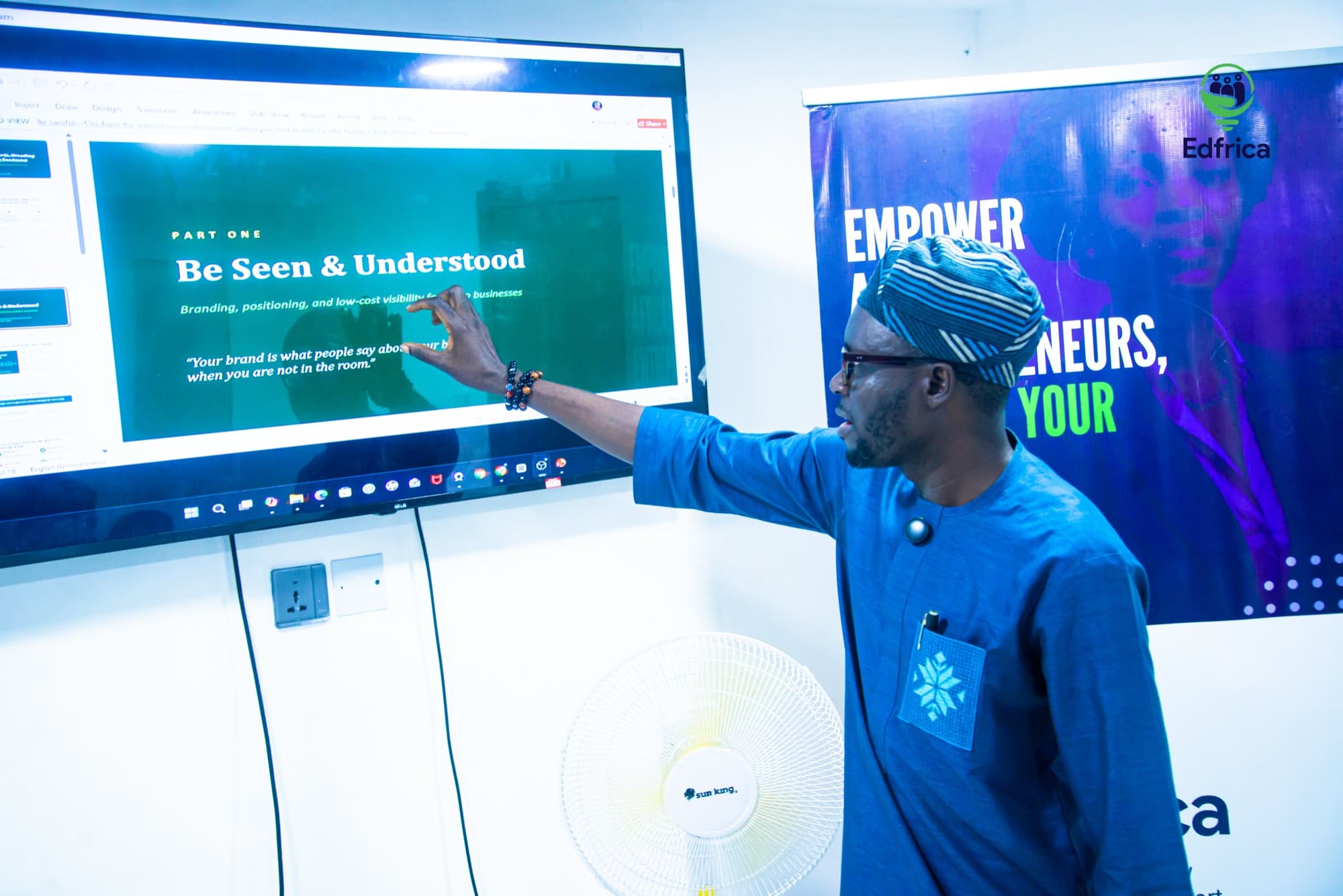
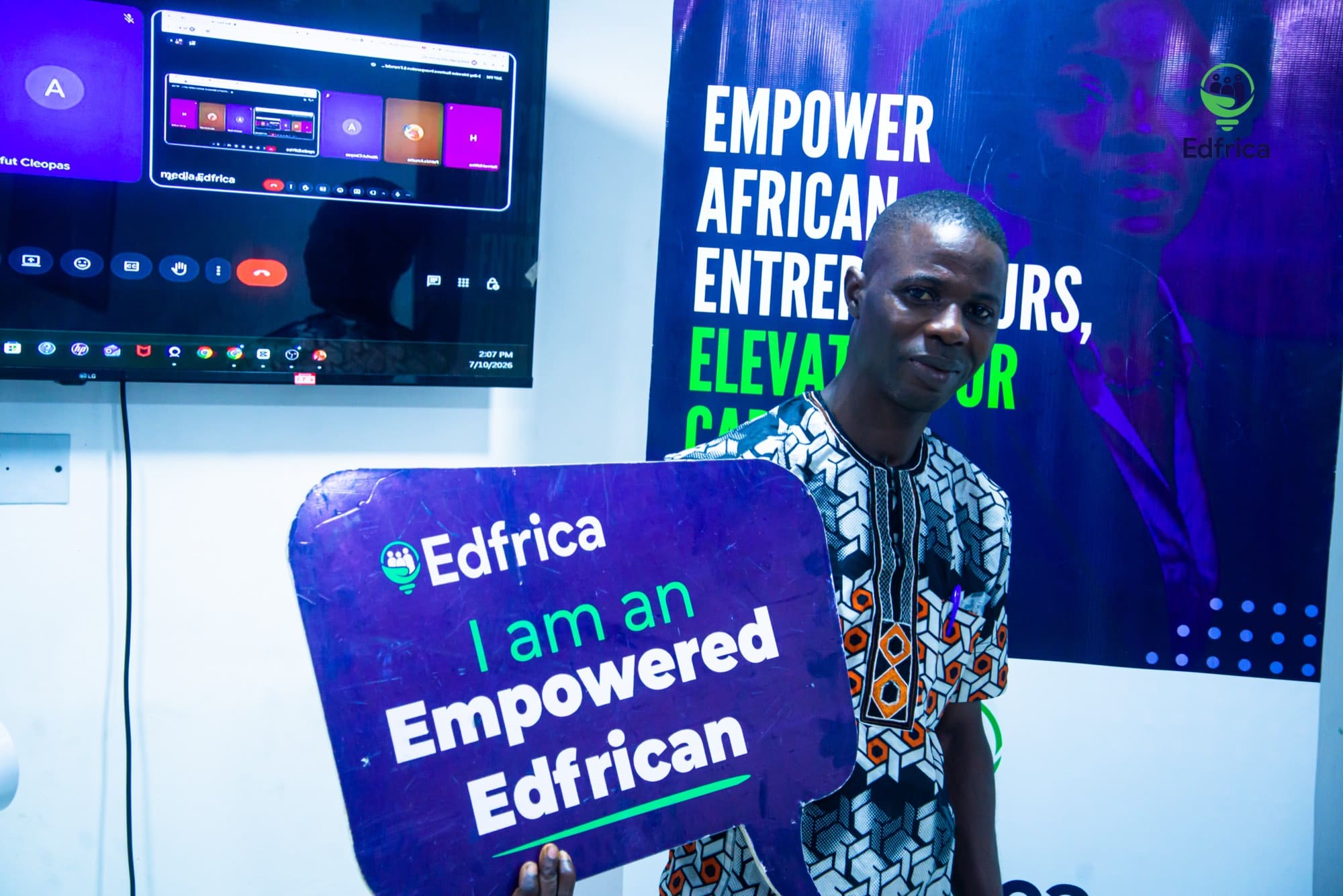
01. Business development
Strategy & operational support for MSMEs
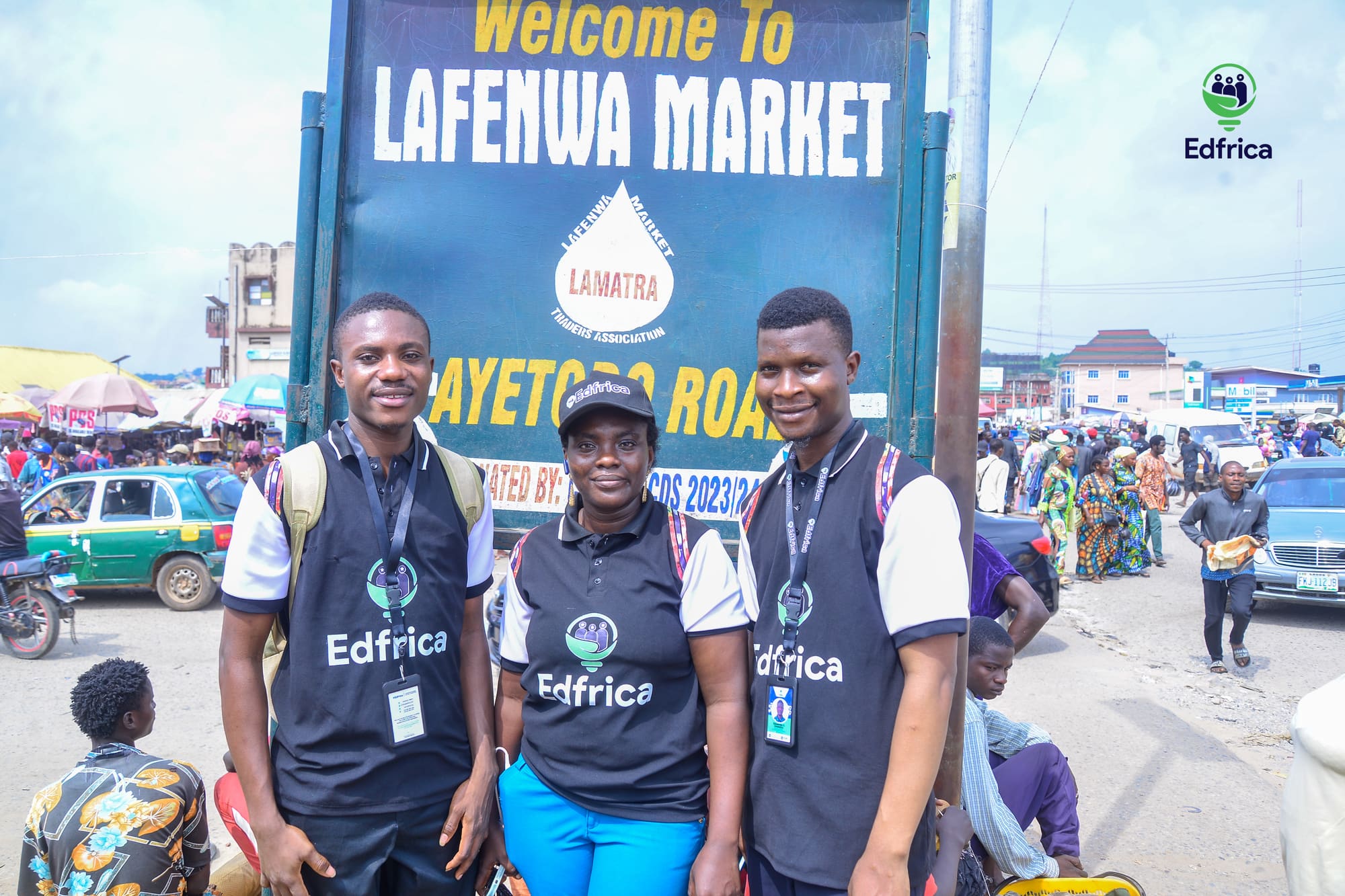
02. Access to Finance & Investment Readiness
Grants, loans, blended finance & capital-raise prep
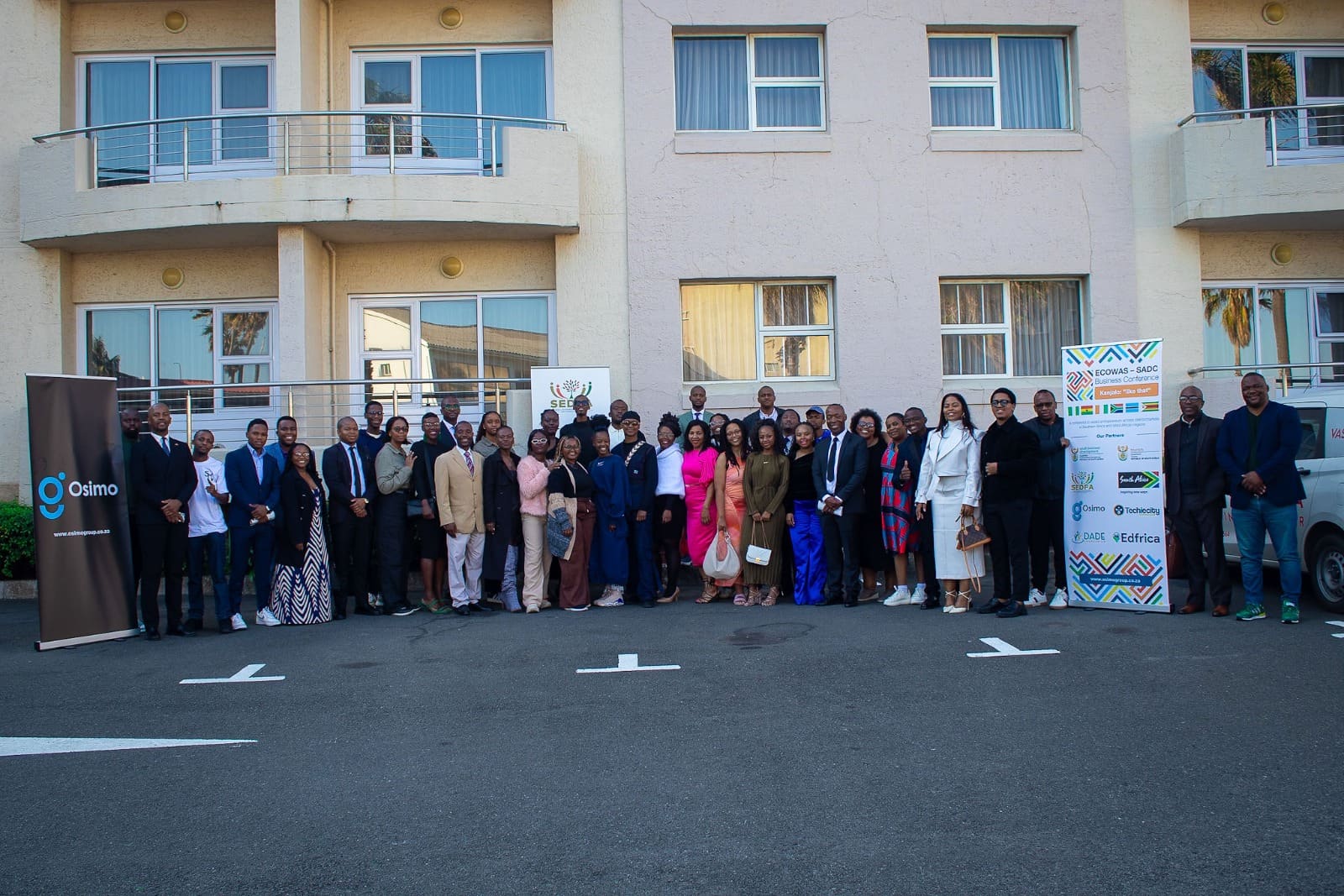
03. Emerging Tech Training & Digital Transformation
Building practical skills for the digital economy
04. Cross-border market access
Trade facilitation across ECOWAS & Sahel
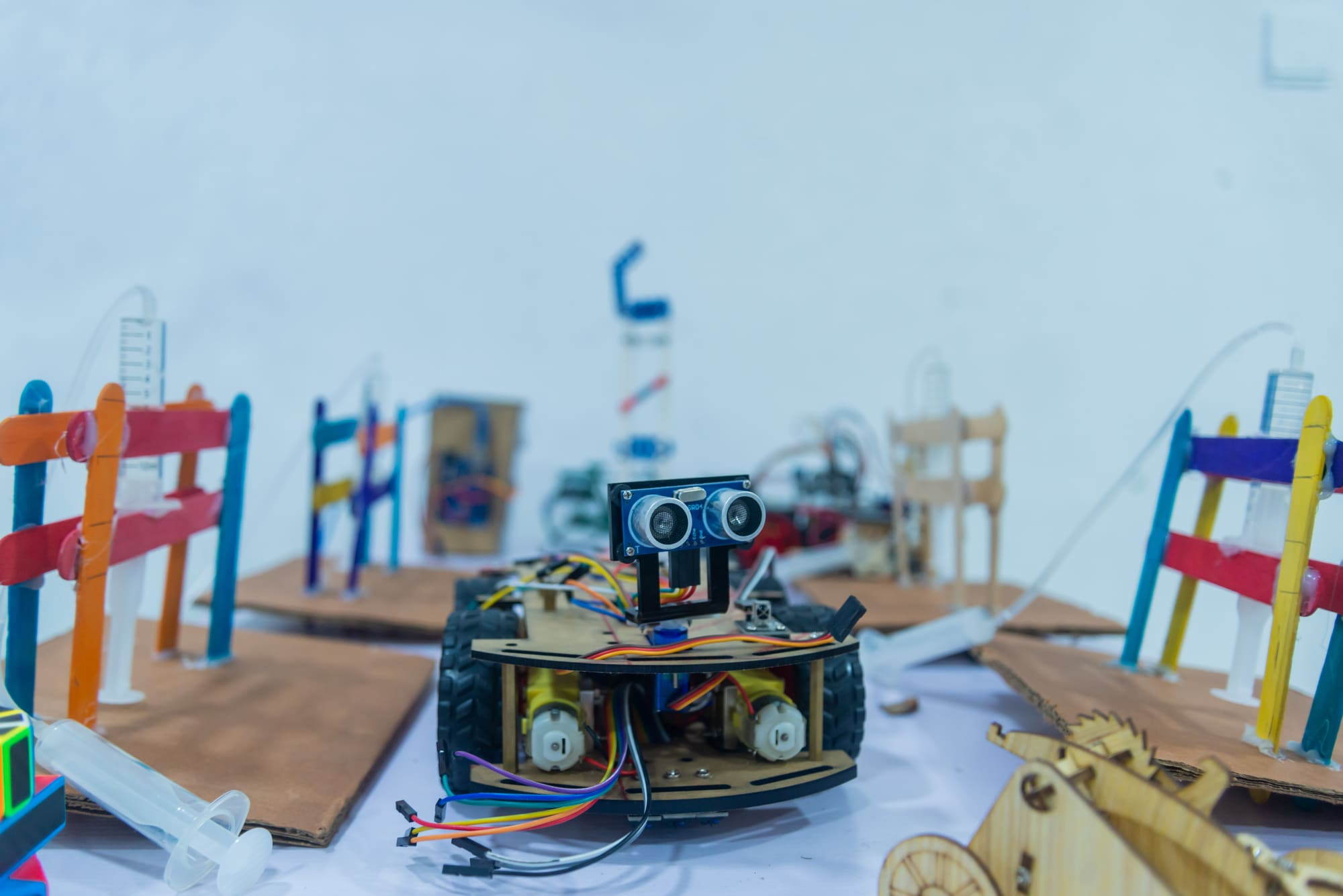
05. STEAM Talent Development
Developing the next generation of innovators
Ecosystem
A social enterprise turning African ambition into impact
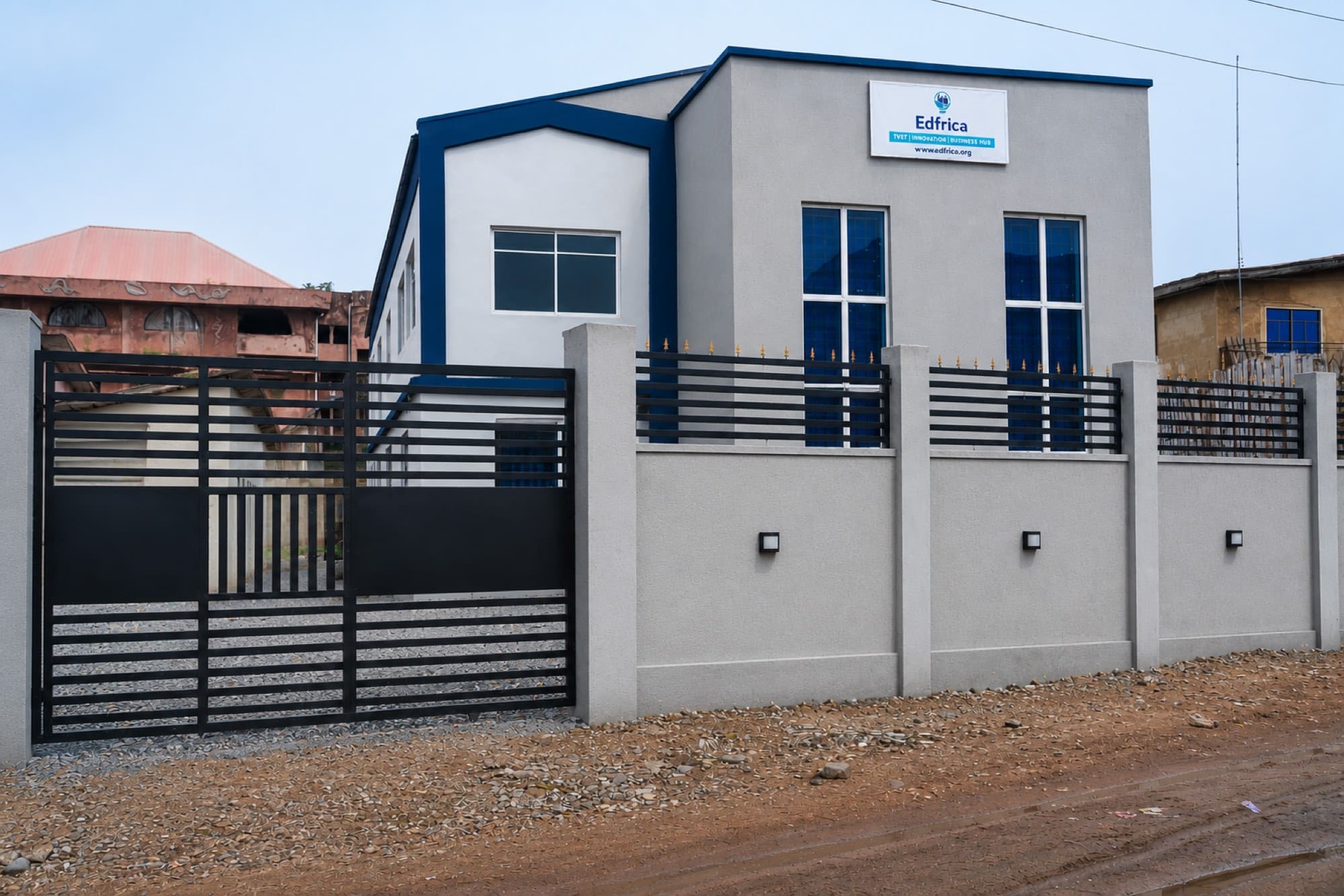
Edfrica is a social enterprise working on entrepreneurship and leadership among young Africans. We have been running since 2017 and incorporated as Edfrica Solutions Limited in January 2025. The work now sits across five pillars: media, technical delivery, education, physical infrastructure, and CSR.
Learn more about usOur mission
Toward a continent where youth believe and exhibit right entrepreneurial and leadership value.
Our vision
A continent with accountable leaders and value-driven entrepreneurs.
Certifications
De-risking your partnership
Impact delivers the greatest value when it’s built on a foundation of trust, compliance, and operational discipline. Our credentials let partners move faster with reduced risk.
SCUML registered
Special Control Unit Against Money Laundering
Safeguarding / SEAH policy
In active use across grant-funded programming
AREM delivery framework
Awareness, Responsibility, Engagement, Mobilization
Monitoring & Evaluation
Logic frameworks built into every programme design
Our networks
We don’t work alone
Membership of these networks is how our reach extends past our own programmes, from Nigeria’s innovation hubs to partners across Africa and Europe.

Innovation Support Network

Africa–Europe Innovation Platform
AfriLabs
Talent
Building Africa’s next builders
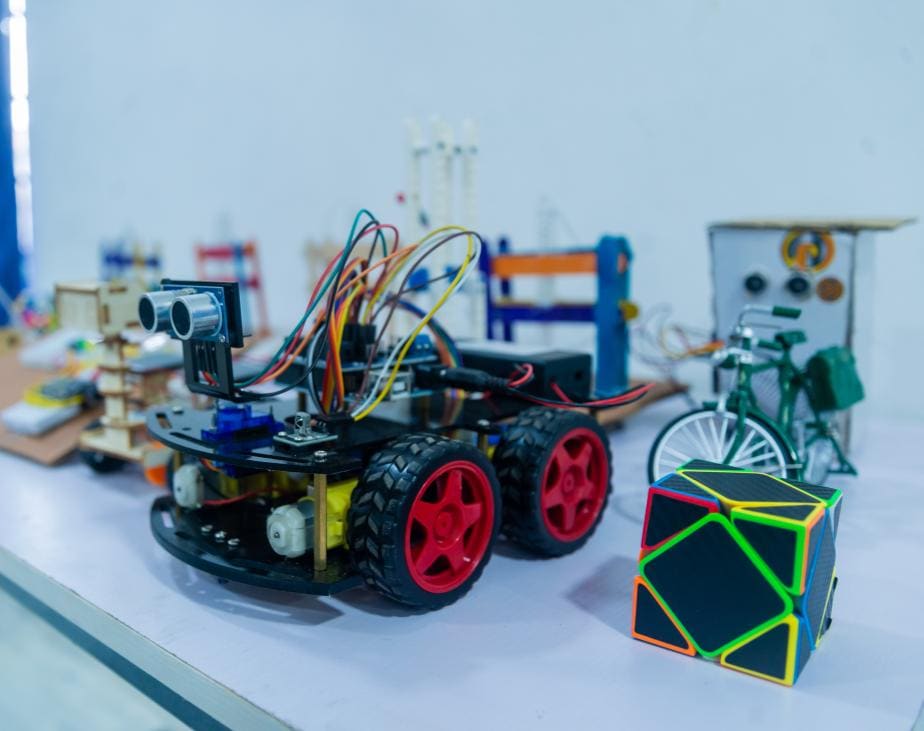
The pipeline starts young. TLab is a safe, gamified STEAM learning platform for children aged 3 to 18, fully COPPA and GDPR-K compliant, where learners earn XP and climb through five ranks.
From there they move into the Institute’s emerging-tech training in AI, IoT, cloud and data, and on into the technical bench that delivers for MSMEs across the region.
- 1Explorer
- 2Innovator
- 3Builder
- 4Creator
- 5Master Inventor
Let’s build the next chapter together
Whether you’re a donor, a corporate partner, or a government agency, there’s a place for you in the Edfrica ecosystem.